


Oyo training exposes deepening crisis in cassava production nationwide
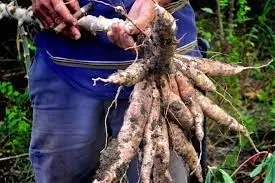
A cross section of cassava farmers in Oyo state have raised concerns over the steady decline in cassava production in Nigeria, warning that the trend is costing the country millions of naira annually.
In seperate interviews with newsmen in Oyo, the farmers said that the losses were due to poor pest control system, inadequate managerial skills, limited access to field training, climate-related challenges.
“There are many other constraints that have forced many to abandon their farms,” they said.
Supreme news reports that these concerns were highlighted during a training programme for 6,000 cassava farmers drawn from seven local government areas of Oyo State.
The programme, which also featured facility tour of the Fashola Agribusiness Hub, Oyo, was organised by the Africa Agricultural Technology Foundation (AATF) in partnership with the National Crops Research Institute (NCRI).
Supreme news reports that the stakeholders at the event noted that the losses could have been mitigated through strict adherence to government agricultural policies.
They also emphasised the need for stronger collaboration with the Organised Private Sector (OPS) to address challenges affecting cassava yield.
Supreme news reports that some farmers, including Mrs Funmilayo Aderoju, Mr Olusegun Adewuyi, and Mr Ogundare Aliu, called for increased government support, particularly in the form of soft loans and provision of herbicides to boost cassava production.
The Programme Coordinator for Agricultural Mechanisation at AATF, Mr Samuel Ogunleye, explained that the initiative, which began in 2023, was aimed at equipping 6,000 cassava farmers with knowledge of good agricultural practices to improve yield.
He described the turnout for the week-long training as impressive and urged participants to apply the knowledge acquired to enhance productivity.
“We believe that the farmers are not returning back to their farms the same way they came. They are going back with better knowledge on cassava.
“This more informed understanding will reflect on how they manage cassava planting and production,” he said.
Also speaking, a Director at NCRI, Dr Adeyemi Olojede, called for increased funding for agricultural research to promote improved farming practices and higher yields.