


Kano agro project boosts onion preservation with 61 new 300MT storage facilities
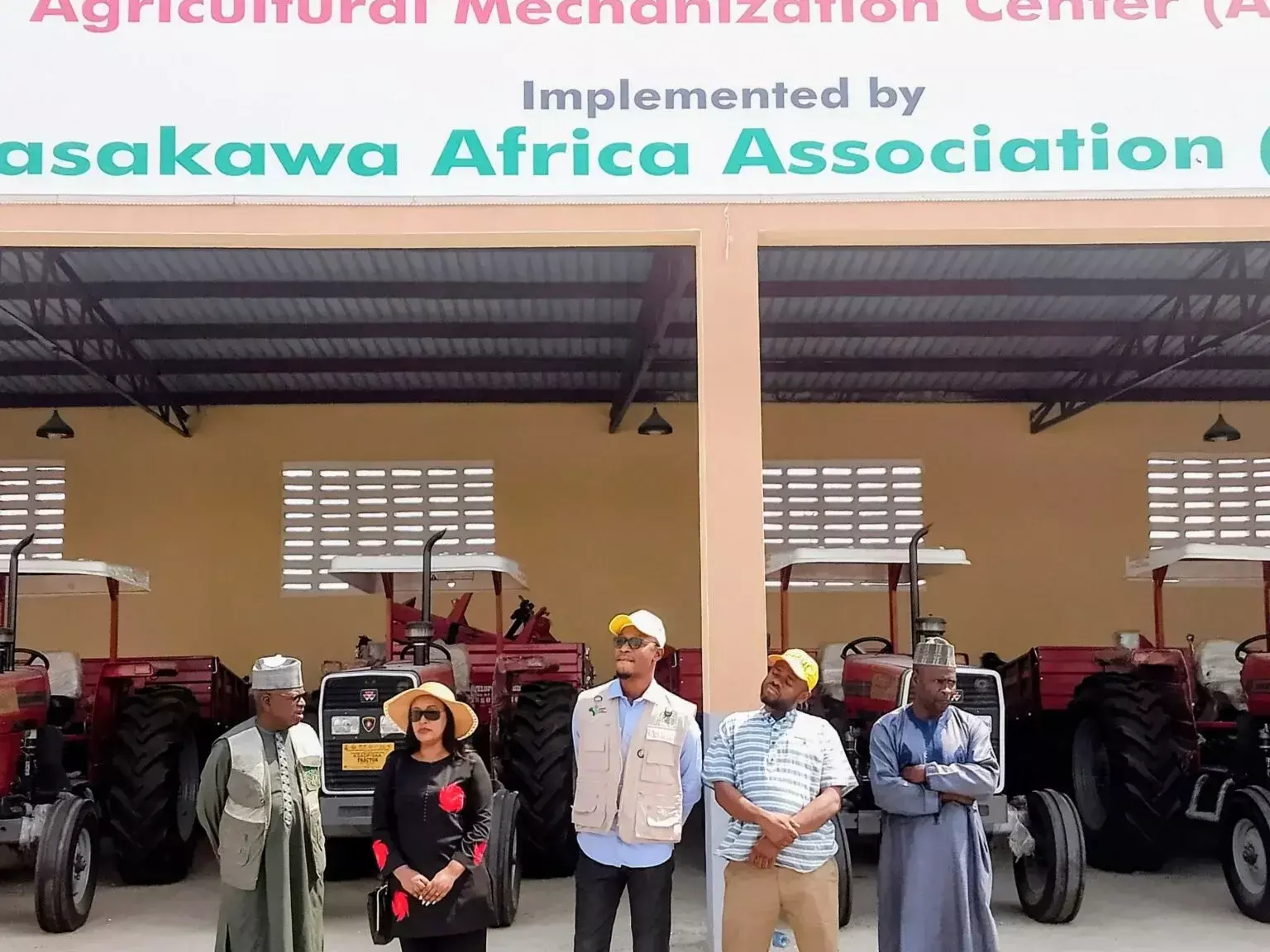
Kano State Agro-Pastoral Development Project (KSADP) says it has installed 61 onion new storage units to curb post-harvest losses and improve farmers’ income.
The installation was carried out by the Sasakawa Africa Association (SAA), the project’s technical partner for the crop component, and funded by the Kano State Government, the Islamic Development Bank (IsDB) and the Lives and Livelihoods Fund (LLF).
The KSADP/SAA Programme Officer for Nutrition-Sensitive Agriculture, Mr Sadiq Hamman, stated this on Monday during a media field visit to selected local government areas in the state.
Hamman said the facilities collectively provide nearly 300 metric tons of storage capacity.
He explained that each unit consists of two chambers with a combined capacity of 10 metric tons, designed to significantly reduce post-harvest losses, especially during severe heat conditions.
The programme officer said assessments conducted in onion-producing communities showed that farmers lose up to 40 per cent of their produce due to inadequate storage.
“The storage units help regulate temperature, reduce rotting and allow farmers to preserve their onions longer, giving them better bargaining power and higher profits,” he said.
Hamman added that the intervention forms part of KSADP’s broader strategy to strengthen value-chain development and promote climate-smart, nutrition-sensitive agriculture across the state.
The KSADP Project Coordinator, Mr Abdulrasheed Kofar-Mata, said the activity was aimed at highlighting the project’s achievements as it nears completion, particularly interventions targeting vulnerable households and smallholder farmers.
At Sabon Gida community in Gwarzo LGA, Kofar-Mata said the onion storage facility had become one of the most sought-after interventions, attracting interest from farmers and associations eager to replicate it.
“We receive calls almost every week from farmers who want to adopt this technology because they recognise its value,” he said.
He explained that while KSADP provides and installs the technology, communities donate land and construct the structures — a model that enhances ownership and sustainability.
A beneficiary, Hannatu Muhammad from, said the facility has increased her income, patronage and strengthened her livelihood.
Supreme news reports that the KSADP/Sasakawa team visited selected facilities established under the project to assess their performance, interact with beneficiaries and demonstrate how the innovations have transformed storage, processing and income-generation activities at the community level.