


Lockdowns Loom as Germany Passes ’Emergency Brake’ Coronavirus Rules
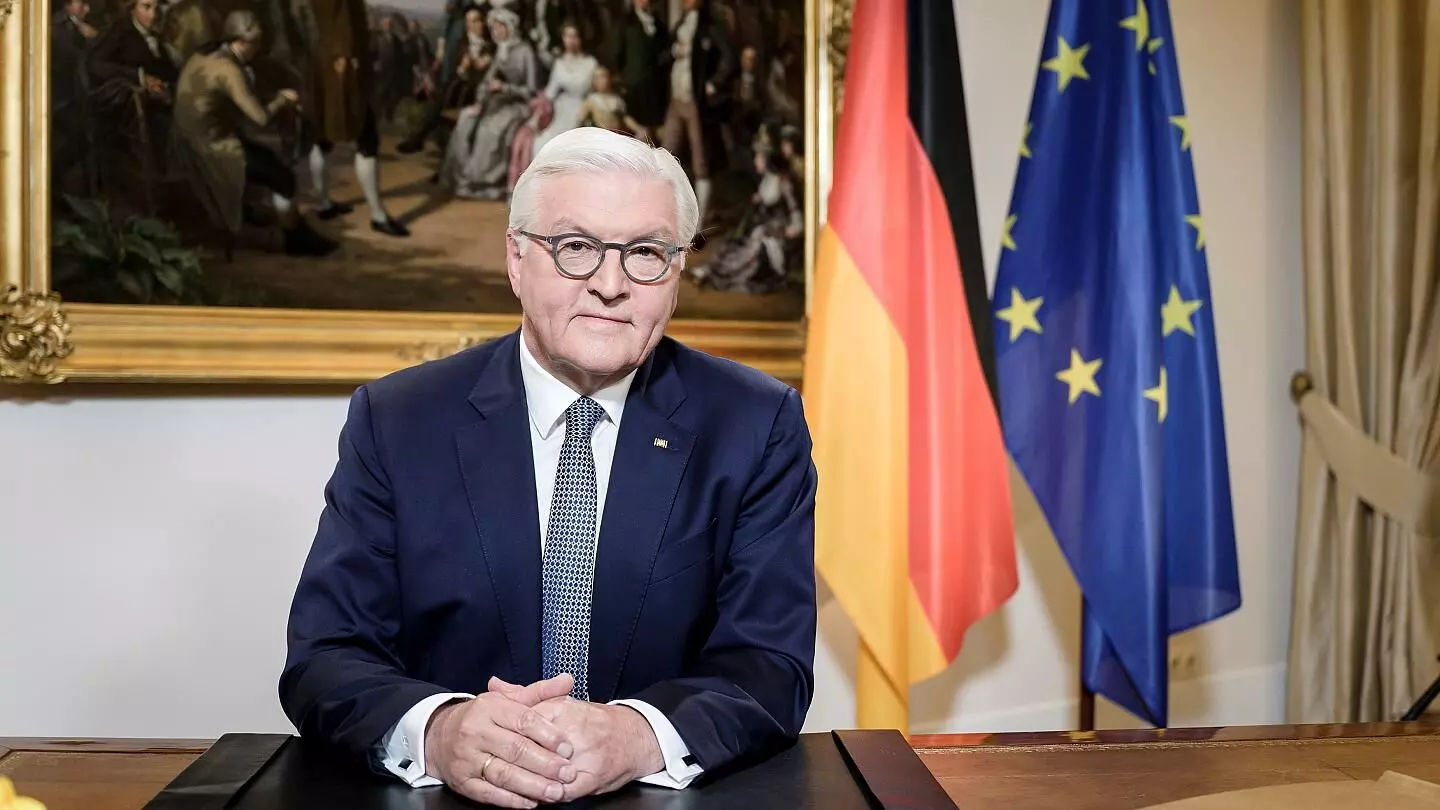
German President Frank-Walter Steinmeier on Thursday signed a national “emergency brake” into law, granting the federal government extra powers to tackle high coronavirus infection numbers. This is coming as the country faces a third wave of infections. Signed just an hour and a half after it went through the upper house of parliament, the measure […]

German President Frank-Walter Steinmeier on Thursday signed a national “emergency brake” into law, granting the federal government extra powers to tackle high coronavirus infection numbers.
This is coming as the country faces a third wave of infections.
Signed just an hour and a half after it went through the upper house of parliament, the measure was hotly debated during the past week, as it lets the federal government supersede state-level decisions, a key – albeit temporary – change to the relationship between the federal and state governments.
It also means many parts of the country with high infection rates could go straight into lockdown, which would include night-time curfews.
The emergency brake kicks in when the infection rate in a given district, as measured by the number of infections during the past week per 100,000 people, reaches more than 100 for three consecutive days.
The night-time curfew would be from 10 p.m to 5 a.m and mean citizens could only leave their homes or gardens during this period for emergency health reasons. Jogging – alone – would be allowed until midnight.
Shops – apart from those providing essential goods such as food, medicine, and petrol – would only be able to accept customers with an appointment and a negative coronavirus test result.
If infection rates rise higher still, to 150, those shops would have to move to a click-and-collect system.
There would be a limit on gatherings to one household and one other person indoors, although children under age 14 do not count.
When it comes to schools, they would be forced to close and move entirely to remote learning if the infection rate hits 165.
Several state premiers in the Bundesrat upper house – including from Chancellor Angela Merkel’s own CDU party – strongly objected to the bill during Thursday’s debate.
The speaker of the house, Reiner Haseloff, described it as a “low point for Germany’s federal culture,” as it imposed sweeping national measures instead of leaving it to states to decide how to deal with local outbreaks.
However, none of Germany’s 16 federal states raised formal objections, which would have meant the legislation would have had to enter a further phase of discussions between the upper and lower house.
There was no formal vote.
A lawsuit arguing that the legislation was unconstitutional was lodged on Thursday with the Constitutional Court, but it was not it time to prevent the law from being signed.
Once the law goes into force, districts, where the infection rate has already been above 100 for the three days, would be forced to enter lockdown straight away.
The measures would lapse once the infection rate stays below 100 for five consecutive days.
The “emergency brake” legislation as a whole is only valid until June 30.
In the capital of Berlin, the seven-day incidence rate was at 133.8 on Thursday; nationally the rate is at 161.1.
In Thuringia, the rate is at 232, the highest in the country, with some individual districts even higher than that.
