


Iran dampens hopes for early agreement in nuclear dispute
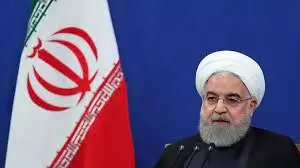
Iran has dampened hopes of an early agreement in its nuclear dispute with the United States. “We have come closer, but we are still far from an agreement,’’ Deputy Foreign Minister, Abbas Araghchi said on Thursday, according to Iranian media. He did not want to confirm speculation that the nuclear negotiations in Vienna would enter […]

Iran has dampened hopes of an early agreement in its nuclear dispute with the United States.
“We have come closer, but we are still far from an agreement,’’ Deputy Foreign Minister, Abbas Araghchi said on Thursday, according to Iranian media.
He did not want to confirm speculation that the nuclear negotiations in Vienna would enter the final round next week.
Before that, Araghchi said, the U.S. and other parties would have to make some difficult decisions.
Iran’s final decision would also definitely not be made in Vienna, but in Tehran, the deputy minister and head of Iran’s delegation in Vienna said.
A new problem in the Vienna negotiations is the imminent change of political power in Iran.
The top favourite in the presidential election in a fortnight is the arch-conservative cleric Ebrahim Raisi, who had always sharply criticised the 2015 Vienna nuclear agreement.
Whether he will continue President Hassan Rowhani’s moderate course is questionable, according to observers.
It is also unclear at present who will soon be appointed as chief nuclear negotiator and lead the negotiations on behalf of Iran.
According to European diplomats, the negotiations to save the nuclear agreement with Iran are heading for the most delicate phase.
Representatives from Germany, France and Britain have been trying since April, together with Russia and China, to mediate between Iran and the United States.
At stake are the difficult questions which of the many Iran sanctions Washington is willing to lift and how to permanently prevent Iranian nuclear facilities from being used for military purposes.
