


Women in parliament want appointment of female defense minister
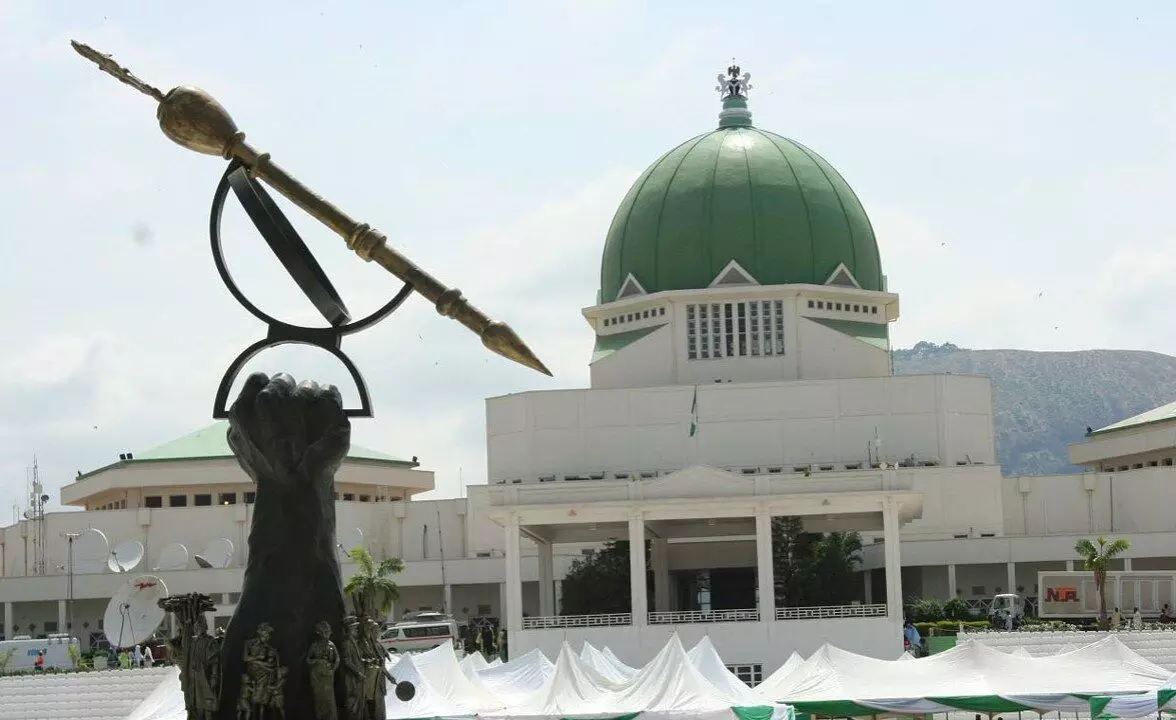
On Monday, the 9th Assembly of Women in Parliament called for the appointment of a woman as Minister of Defense.
The Chairperson of the House Committee on Women in Parliament, Rep. Taiwo Oluga, made the call during a press briefing in Abuja.
Oluga said that if a woman is appointed as defense minister, the security challenge confronting the country would be effectively tackled.
"For the first time in history, let a woman be appointed as minister of defense, and you will see action; you will see a positive change in our security architecture," she said, while fielding questions from reporters.
Oluga said it was disheartening that despite the advocacy and attempts by women groups and parliamentarians to increase women's participation in Nigerian politics, not much progress seemed to have been made.
"Going by the number of women, who are currently nominated by various political parties and are vying for elective offices in the forthcoming 2023 General Elections, there are serious issues of concern as it seems that the figure in the current assembly might worsen if drastic steps are not taken immediately
"Before the last primary elections, Nigeria ranked amongst the lowest numbers of women participating in governance in Africa, with about 6.2 percent of national parliamentarians being women," she said.
She expressed concern over the development.
"The question is, of the less than 8 percent of women nominated for elective offices in 2023, how many women would emerge victorious at the general elections?"
"The point is that even if all these women win their elections, the figure remains very low and a cause for serious concern and action."
"Another question is, is there a taboo barring women from vying for the highest decision-making position in Nigeria, which is the position of President of the Federal Republic of Nigeria?"
"This is because, out of all the 18 political parties in Nigeria, only the APM (Allied Peoples Movement) fielded a female presidential candidate," she said.
The lawmaker said in some states like Kano, Sokoto, Taraba, Yobe, and Zamfara, no single woman was nominated as a presidential or national assembly candidate for the 2023 polls.
"The implication of this is that, even before next year's elections in Nigeria, it is crystal clear that 13.5 percent of states will not have women in elective offices in their National Assembly seats," she said.
Oluga described the development as a huge setback in attaining 35 percent affirmative action in elective and appointive offices in Nigeria.
She attributed factors inhibiting women's participation in politics to patriarchy, stigmatization, low levels of women's education, financial problems, political violence, and others.
She, however, said that the committee, with other development partners, would step up activities on the need to discourage religious beliefs and cultural practices that militate against women's participation in politics.
Supreme reports that the event was organized in conjunction with the European Union, the Nigerian Women Trust Fund, and other partners.