


Adamawa Govt., IRC partner to improve education in conflict areas
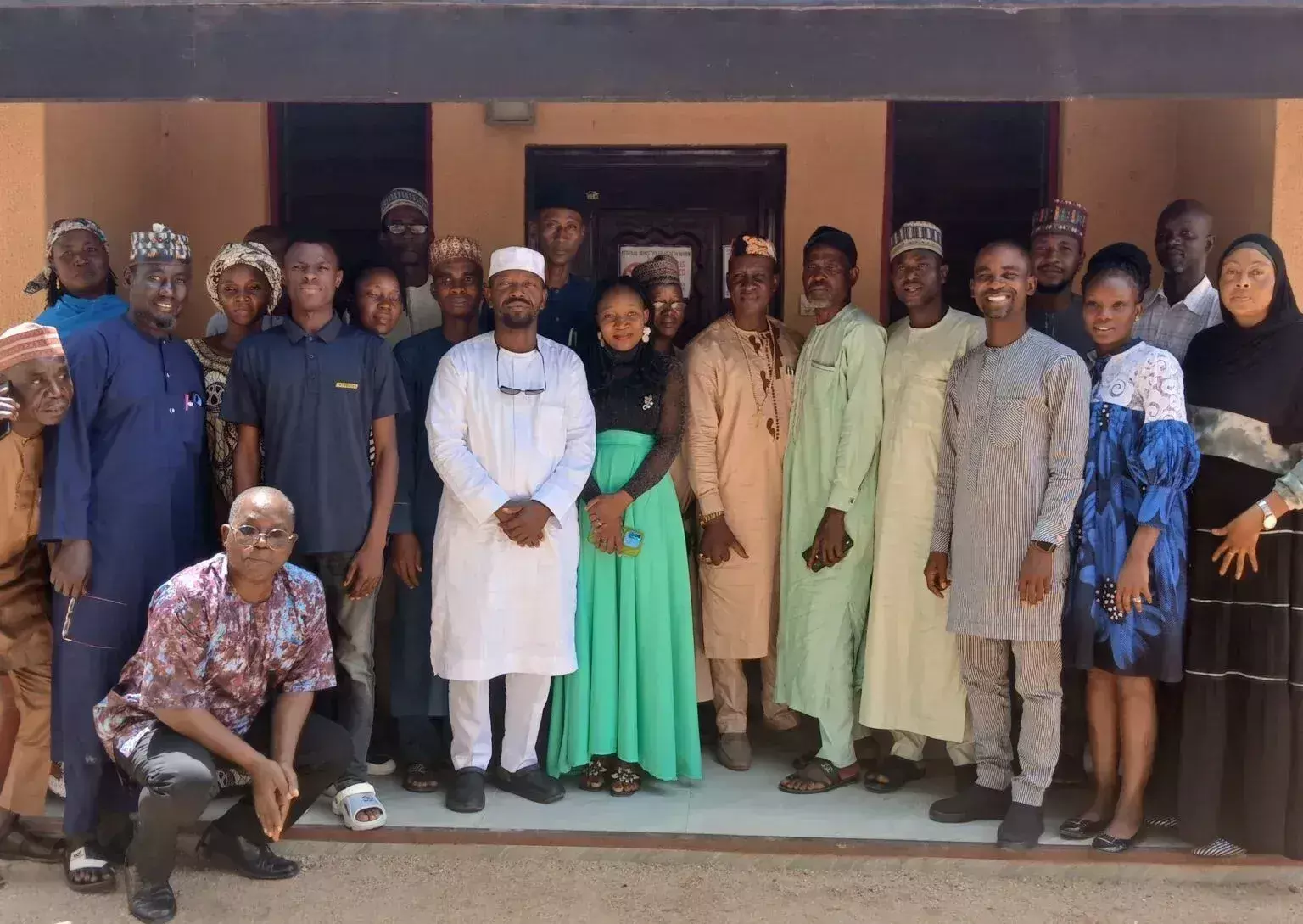
The Adamawa Government, in collaboration with the International Rescue Committee (IRC) and other stakeholders, has commenced a research project aimed at addressing education challenges in conflict-affected areas.
Prof. Oladele Akogun, Regional Director, IRC, disclosed this on Wednesday in Yola, at a stakeholders’ meeting on the third phase of Universal Basic Education (UBE) Implementation Research in conflict areas.
He said the research, led by the state’s education sector, is facilitated by the Common Heritage Foundation (CHF) with technical support from IRC and funding from Foreign, Commonwealth and Development Office (FCDO).
Akogun explained that the workshop sought to update stakeholders on findings from two earlier studies on UBE implementation, noting that all 21 LGA’s agreed on the research as a priority.
“Some of our findings show that policymakers often make decisions without consulting beneficiaries.”
According to him, the first phase in Madagali showed that community-led initiatives compelled children to return to school despite the Boko Haram crisis.
“In Madagali, the community insisted that any child not learning could not remain there, and it worked; today, almost all children are in school.
“In contrast, the second phase in Gombi revealed that many pupils stayed out of school between Oct. and Dec. during the harvest season to earn income.
“This shows a system that does not recognise the beneficiary’s predicament but forces parents to choose between poverty, starvation, and schooling.
“Flexible schooling models should be adopted in such areas,” he advised.
He urged the National Assembly to ensure community participation in the ongoing review of the UBE Act, stressing that communities have concrete initiatives that should be considered in ensuring free, compulsory and universal education.
“Local governments, traditional rulers, religious leaders, parents, and wards should be part of public hearings before major decisions are taken.
“We are ready to present evidence of our findings on the role of communities to the National Assembly,” he added.
Akogun said the study in Nigeria was part of a wider research also being conducted in South Sudan, Jordan, Lebanon, Syria, and three other countries.
Dr Rufus Hanawa, Director Planning, Research, and Statistics, Ministry of Education and Human Capital Development, commended the initiative.
Hanawa, noted that the number of out-of-school children in Adamawa had dropped from over one million to about 250,000.
He attributed the improvement to state government interventions and partners from UNICEF, BESDA, IRC, and CHF, saying that adopting the research findings would improve education in conflict and hard-to-reach areas.
Similarly, Mr Salihu Iliyasu, Director Planning, Research, and Statistics, Mass Education Board, said community involvement was key to eliminating truancy and promoting flexible learning options.
He noted that the findings, when adopted, would enable enrolment in formal education, vocational training, or Sangaya (Islamic and Arabic education), in fostering self-reliance among children and youths.