


Russo-Ukraine war: Aid agencies emphasise need to protect women, girls
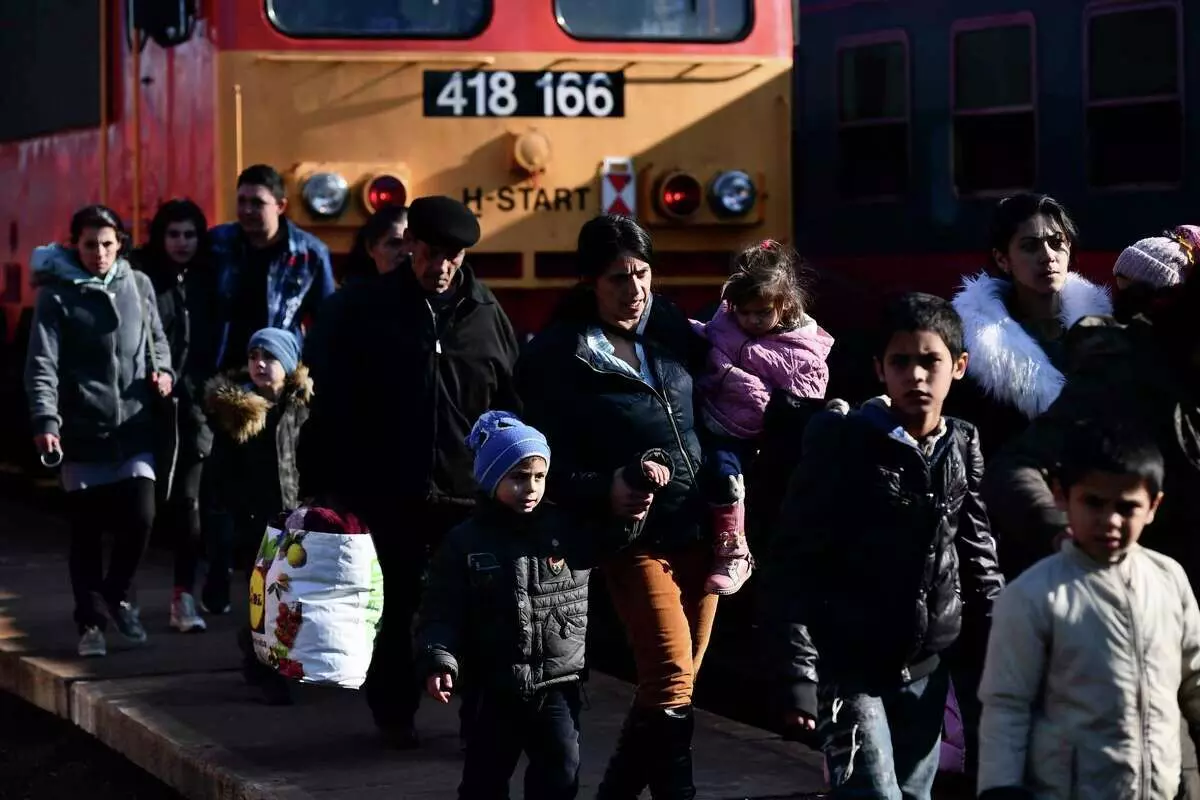
There is a crucial need to protect women and girls who are suffering due to Russia's invasion of Ukraine, aid agencies have warned.
Majority of the 1.7 million people who have fled Ukraine are women and children.
Conflict, crisis and displacement put them at increased risk of sexual and physical violence and abuse, the Disasters Emergency Committee (DEC) has said.
The warning came as the world marks International Women's Day and an estimated 80,000 women are set to give birth in the next three months in Ukraine.
This included many women who would not be able to get critical maternal health care and it could make childbirth a life-threatening experience, says the United Nations Population Fund.
Suzy Madigan, Care International's senior humanitarian adviser for gender and protection, said the conflict in Ukraine and resulting displacement was tearing families apart.
The conflict is leaving women and children who are trying to find safety exposed and vulnerable.
"Women fleeing disasters everywhere face the real risk of gender-based violence and abuse when they're forced to leave home.
"If you become reliant on others for the basic needs of survival, exploitation becomes a real threat," said Madigan.
Care International is among 15 UK-based DEC charities working in Ukraine and in neighbouring countries to ramp up efforts to meet the growing humanitarian needs.
From the situation, the United Nations described it as the fastest-growing refugee crisis in Europe since the Second World War.
The DEC is providing women and families with food, shelter, clean water, hygiene kits, healthcare and child-friendly spaces as well as psychosocial support, including trauma counselling needs.
The DEC also has raised more than 100 million pounds (130 million dollars) in its Ukraine Humanitarian Appeal so far.
Rebecca Front, the actor and British Red Cross supporter, said it was heartbreaking to think of the situation facing women and children.
These group of people have fled their homes, fearing for their lives, many of them leaving family members behind who they would be desperately worried about.
She urged people to give their support, saying that donations to the DEC would ensure aid reached those in need of it, fast.
Alexandra Parnebjork, Plan International's gender in emergencies adviser, said the majority of maternal deaths in the world occurred in humanitarian crises.
She added: "In these situations, women and girls know what they want and need.
"We must work with them to ensure they have access to proper healthcare and protection from sexual and gender-based violence."
Huge numbers of women, children and young people are arriving at Ukraine's borders with Poland, Romania, Hungary, Slovakia and Moldova, with only what they can carry.
Niki Ignatiou, ActionAid UK's humanitarian advisor, said, there were deeply concerning reports of racism against refugees of colour, including mothers with babies forced to wait longer in below-freezing temperatures with no shelter.
There are reports of female young students being stuck at the borders for several days without shelter and toilet facilities.
"Women and girls arriving at the border urgently need food, water, shelter and essential items like soap, period products and underwear.
"Psychosocial support and safe spaces to prevent gender-based violence will also be vital in the coming weeks," said Ignatiou.
The DEC is also dealing with a number of ongoing humanitarian crises around the world putting women and children at risk.
Money from previous and ongoing DEC appeals is still being spent in
Afghanistan, Democratic Republic of the Congo, Somalia, South Sudan, Syria, Yemen and the Rohingya refugee camps as well as vulnerable communities affected by the coronavirus pandemic.