


FGM: Nigeria pledges protection of women, girls from harmful practices
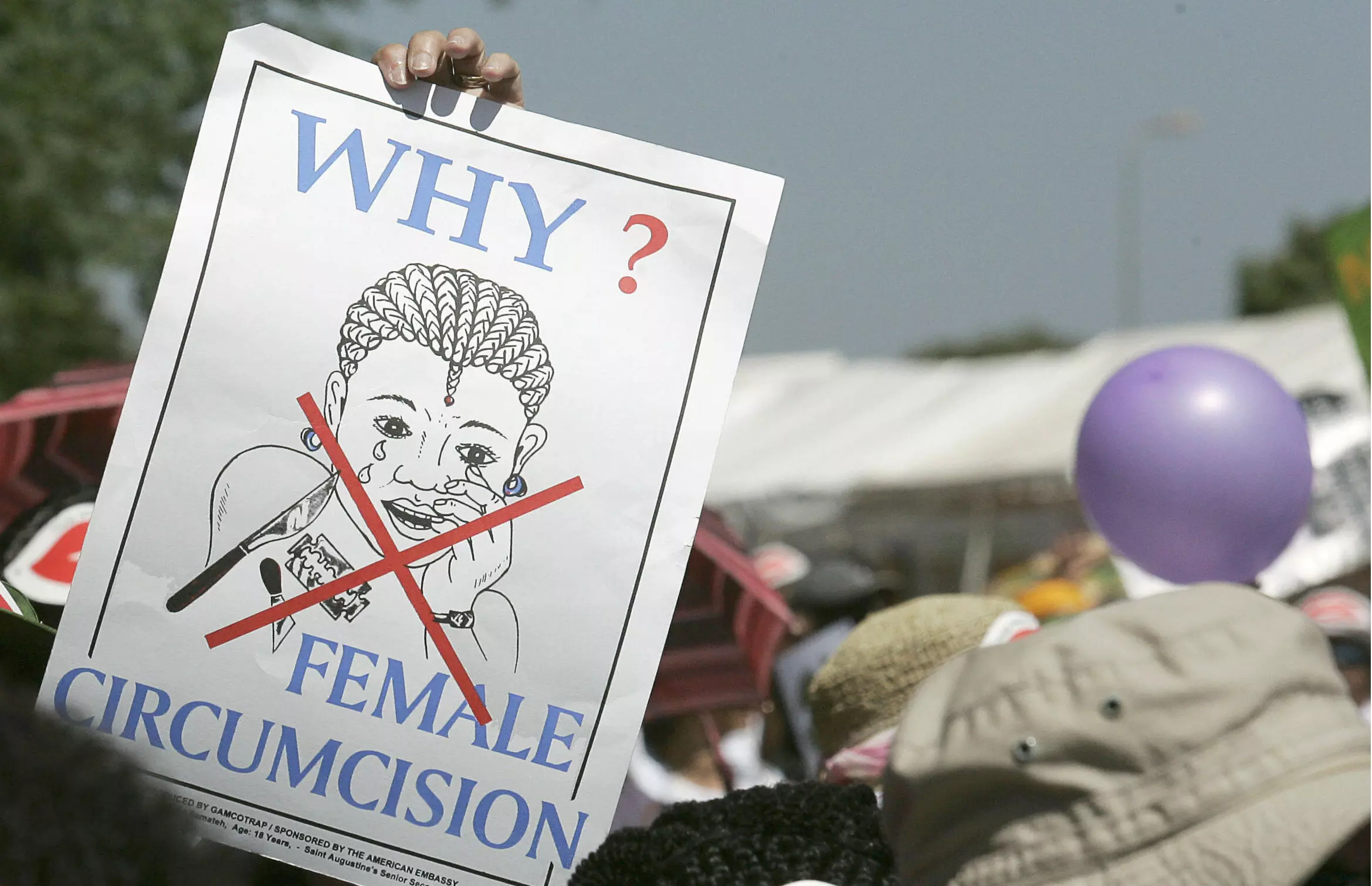
Nigeria has reaffirmed its commitment to protecting women and girls from harmful practices.
Chargé d’Affaires, Permanent Mission of Nigeria to the UN, Mr Syndoph Endoni, reaffirmed the country’s commitment at the UN headquarters in New York.
Endoni’s statement was delivered at the High-level Event on Smart Solutions for a Safer Future Using Artificial Intelligence to End Female Genital Mutilation (FGM).
The diplomat said Nigeria was committed “to promoting innovative, ethical and people-centred technologies to protect women and girls, strengthen social justice, and advance global development”.
He pointed out that the female genital mutilation was central to Nigeria’s regional, national and global development agenda.
Endoni said the dialogue on ending female FGM through smart, technology-driven solutions brings together experts, innovators and advocates in a renewed commitment to safeguard the rights, health and dignity of women and girls worldwide.
“FGM remains one of the most harmful traditional practices affecting millions of women and girls globally, and despite existing policies and sustained advocacy, the practice has persisted.
“Its persistence is mostly driven by deep-rooted cultural norms and values, limited access to accurate information, and weak reporting systems,” he said.
“As a Government, Nigeria has strengthened legislation, expanded community-based sensitisation, and worked with partners to intensify FGM prevention, further underscoring that traditional interventions alone are no longer sufficient.”
Enfoni said that Artificial Intelligence (AI) offers enormous potential, including the ability to predict high-risk communities and enable confidential reporting.
He added that AI-supported real-time data collection, policy monitoring, evidence-based decision-making, and digital education empower women and girls with factual information about their rights and health.
“Nigeria believes that integrating these solutions into our global protection frameworks will enhance early-warning systems, improve accountability, and accelerate progress towards eliminating FGM.”
He, however, said that while AI offers the ability to scale efforts, improve precision and bridge the longstanding gaps in reporting, monitoring, and service delivery, technology alone cannot end FGM.
“For meaningful outcome, we must build strong partnerships among Governments, development partners, civil society, traditional and religious leaders and the communities themselves,” he said.
“I urge all stakeholders here today to think boldly, collaborate with shared commitment to building a future where every girl is protected, valued, and empowered,” Endoni said.