


Cancer not death sentence, early detection is key – Stakeholders
Stakeholders in the health and defence community on Friday said cancer was not a death sentence and emphasised that proactive screening, screening and timely access to care are critical.
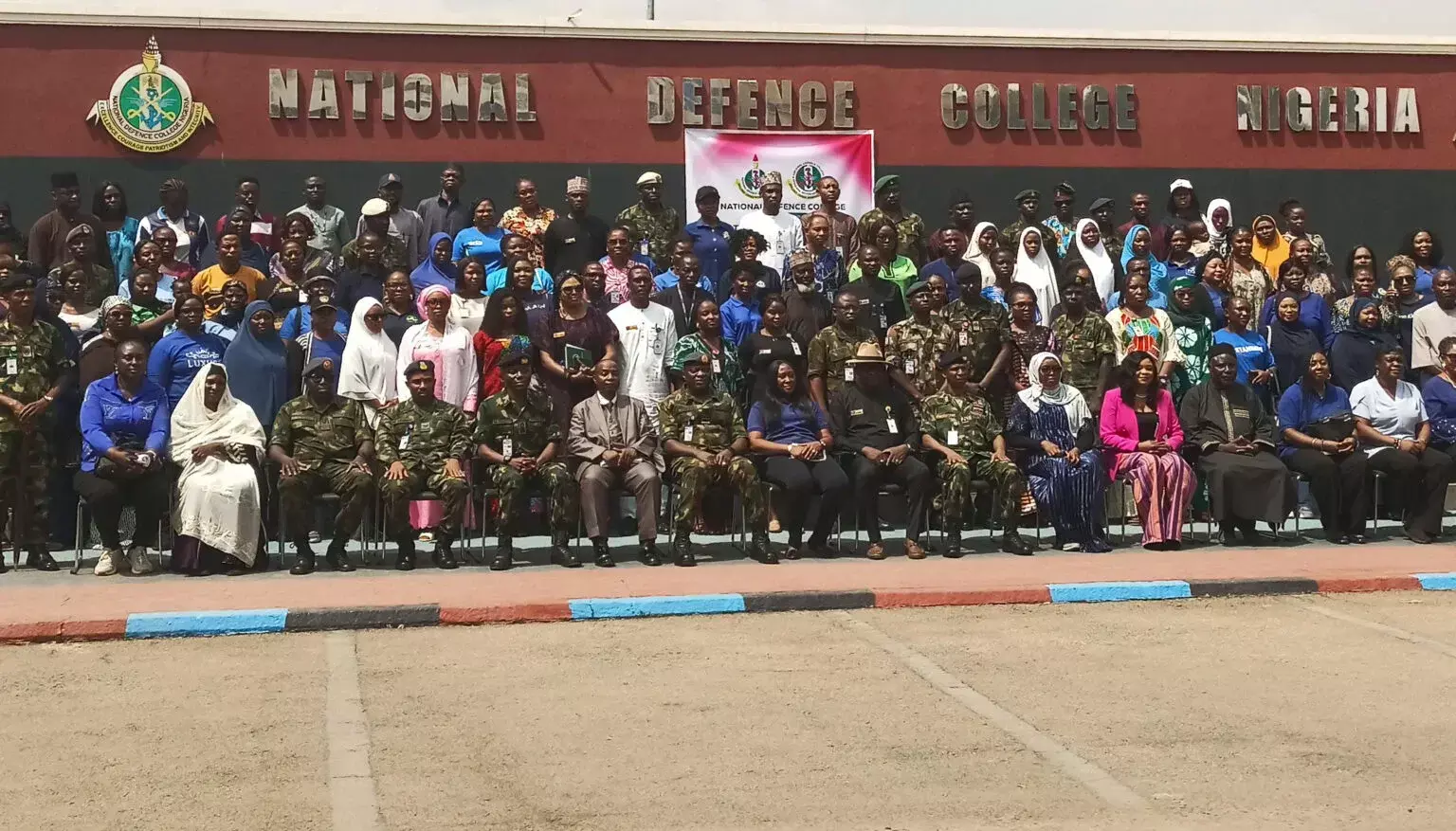
They made this known at a World Cancer Day lecture and pre-cancer screening programme organised by the National Defence College Officers’ Wives Association (NDCOWA) on Friday in Abuja.
The gathering brought together medical experts, researchers and traditional health practitioners to bridge gaps in cancer care.
The event also featured free cancer screening for all the participants, college community and their families at the NDC Medical Centre.
In his remarks, the Commandant of NDC, Rear Adm. Abdullahi Ahmed, said the programme was deliberately designed to harmonise orthodox and traditional medical views on cancer prevention and treatment.
Ahmed said that misconceptions about conflict between both approaches had hindered effective care.
He said the event provided a vital platform to dispel myths, promote prevention and reinforce the message that cancer detected early can be treated and survived.
“There is really no conflict. We brought both sides together to reconcile the two schools of thought and focus on what truly matters, saving lives.
“The key takeaway from the engagement was growing public understanding that cancer can be treated successfully when detected early.
“People now understand that cancer is not a death sentence. Remedies exist, especially when action is taken early,” ,” he said.
Delivering a lecture on Common Cancers Awareness, Screening and Prevention, Dr Lilian Obi, a Consultant Family Physician at the College, said awareness, screening and prevention were critical in reversing rising cancer deaths in Nigeria.
Obi urged Nigerians to promptly seek medical attention for unexplained symptoms and to embrace age-appropriate annual screening.
“Cancer is not a death sentence. Early detection significantly improves survival. Men and women should present early and go for regular screening,” she said.
Obi also called for evidence-based practice in both orthodox and traditional medicine, stressing that saving lives must remain the common goal.
“Whether orthodox or traditional, there must be proof. Evidence saves lives,” she said.
From a research and policy perspective, guest speaker Engr. Limusa Audu, a Herbal Consultant, said collaboration between modern medicine and credible traditional practice could improve outcomes, but warned against unregulated practitioners.
“The challenge is that many who parade themselves as herbalists are quacks. Proper sanitisation and regulation are necessary so knowledge can be shared and lives saved,” he said.
Also speaking, Coordinator of NDCOWA, Hajiya Hauwa Ahmed, urged women to overcome fear and submit themselves to routine checks.
“Women and everyone else should check themselves at least annually. Early detection makes treatment easier and more effective,” she said.
She disclosed plans to institutionalise regular screening for members and sister services to curb late presentation.
The lecture highlighted global and national cancer burdens, identifying breast, prostate, cervical and colorectal cancers as among the most prevalent in Nigeria.
They emphasise that screening, vaccination, lifestyle changes and early care could drastically reduce mortality.