


Fuel scarcity, Currency re-design, trigger hike in cost of food items
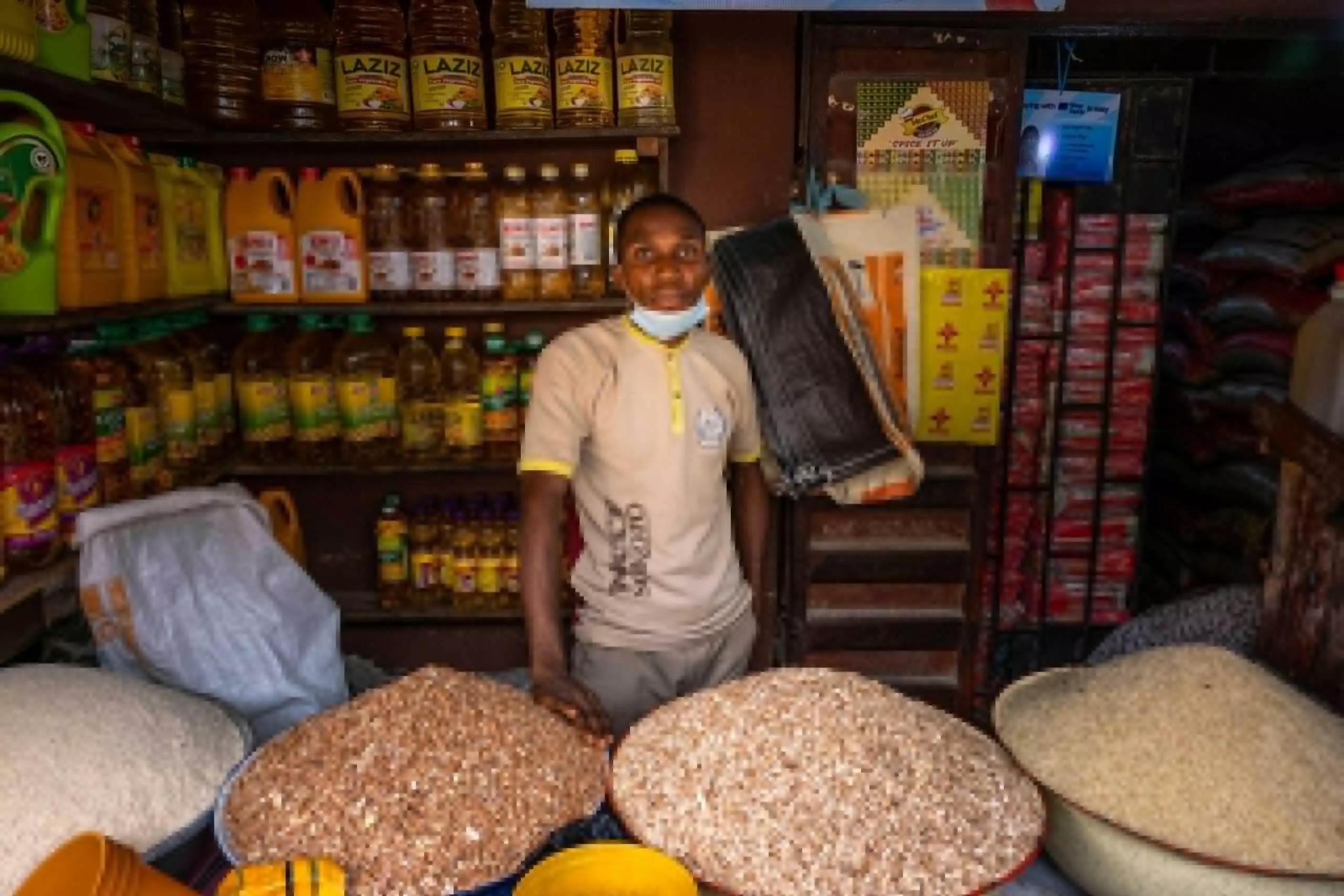
Fuel scarcity, a poor harvest occasioned by flooding, and the planned re-design of Naira notes have combined to trigger panic-buying of food items in most states of the Northwest.
The rush for the commodities has resulted in near-daily price increases in Kaduna, Sokoto, Zamfara, Kebbi, Kano, and Katsina states.
This development is unfolding in spite of the fact that the last quarter of every year is the harvest season, when agricultural products are supposed to be cheap.
Supreme observes that dealers engage in bulk purchases for the purpose of hoarding in anticipation of hyperinflation, which, from all indications, may likely set in during the next few months if the current indicators are anything to go by.
Malam Hassan Dankasuwa, a trader in Sokoto, said prices of foodstuffs were increasing on a daily basis, attributing this development to the scarcity of commodities in the market.
"Shops in the market that usually supply foodstuffs and other commodities are half empty."
"The increase in the exchange rate of the naira to other foreign currencies, as well as the scarcity of the latter, did not help matters because the largest number of our commodities are purchased from the Niger Republic."
"Sometimes, even if you have enough Naira to purchase the needed foreign currency, the traders in the Niger Republic are rejecting the Nigerian currency to avoid incurring losses in view of the impending redesign of the Naira, effective Nov. 15," he said.
Another trader, Malam Danladi Bello, was of the view that the current hike in prices was abnormal and that sabotage of the government's laudable efforts at ensuring food security could not be ruled out.
"We are all aware of how the government at the center continues to initiate measures to ensure food security and reduce poverty.
"Some people view such commitment as a threat to their business ventures and therefore plan to create more hardship," he alleged.
Bello acknowledged that a hike in the price of commodities before and during festive periods as a result of an increase in demand was normal, but insisted the current situation was abnormal.
In Katsina State, residents also expressed concern over the astronomical hike in the price of grains, sparking panic buying by some dealers.
An investigation conducted by NAN in some major grains markets like Dandume, Dayi, and Charanchi indicated that prices of maize, Guinea corn, beans, millet, soybeans, and rice were increasing daily.
NAN reports that people are concerned because the abnormal increase is coming at a time when some farmers have just harvested their maize, millet, and soybeans, while Guinea corn and beans are still in the fields in some parts of the state.
A NAN price survey in the state indicated that a bag of maize, which was sold at N18, 000 a few days ago, now costs N22, 000 and above.
A bag of Guinea corn costs N16, 000, as against the former price of N14, 000; the price of a bag of beans rose to N32,000, as against the previous N29, 000, just as the cost of a bag of millet rose to N20,800, as against N18, 000.
The survey further revealed that 100kg bag of paddy rice sells for N20,000, as against N15,000 few days ago
Alhaji Haruna Muhammad, a grain dealer, said that although price hikes were not new,, the timing of the current astronomical increase was frightening.
"We saw some people in Dandume Market buying the grains in large quantities, which is unusual; people are saying that the rush was triggered by the policy of the Central Bank of Nigeria (CBN) to redesign Naira notes.
"These people do not want to take their money to banks; rather, they prefer to engage in panic buying of grains and sell them at a higher cost later," he said.
On his part, Malam Aliyu Umar attributed the situation to a lower quantity of crops being harvested, particularly maize, because of the high cost of fertilizer.
"They (dealers) want to buy the produce, hoard it, and then bring it out for sale at a higher price in the future," he said.
Malam Aliyu Muhammad, a rice dealer, said that he heard farmers claim that floods had affected several hectares of rice farms, noting that last year around this period, the cost was about half of its present price.
In Kaduna, prices of food items have continued to hit the roof as the Yuletide season draws closer.
Malam Abubakar Muhammad, a seller of food items, told NAN that 50kg bag of local rice now costs N33,000, as against its previous price of N28,000.
He said a bag of foreign rice costs N37,000 as against the former price of N31,000, while price of 100kg bag of beans shot to N57,000, from the former N40,000,
Also, Aminu Falalu, a yam seller, said 100 average tubers of yams now cost N110,000, as against the initial price of N90,000.
The scenario is similar in Kebbi, where prices for some commodities and other necessities have continued to rise despite the state's continual harvest of such crops.
A survey carried out indicated that prices of staple foods such as rice, maize, wheat, and garri had increased by between 10 and 15 percent in a span of two months.
Chairman of the Foodstuff and Other Essential Goods' Association in Kebbi, Alhaji Umaru Dogo, attributed the increase to the current unstable market situation occasioned by the continuous fall in the value of the naira.
"In September, we sold 100kg of local rice for between N48,000 and N50,000, but now, we sell it for between N54,000 and N56,000.
"We sold a 100-kg bag of millet for between N20,000 and N22,000, but it now costs between N22,000 and N23,000, and as for wheat and maize, we sold them for N22,000 and N23,000, respectively, but now they sell for N23,000 and N24,000, respectively.
"Also, beans were sold for N30,000 previously and now sell for N32,000, while guinea corn, which was sold for N24,000, now sells for N26,000," he said.
Also in Kano and Zamfara States, the prices of some staple foods have continued to increase, placing residents at the receiving end.
Residents who spoke to the correspondent about the situation blamed this development on the scarcity of fuel and poor harvest of agricultural produce this year, as well as the high cost of farm inputs like fertilizer and chemicals.
Dealers in food items and customers said prices had shot up by between 10 percent and 50 percent, making things difficult for both sellers and buyers alike.
They, therefore, appealed to the federal and state governments to work out ways of regulating the prices of food items, adding that many breadwinners were finding it difficult to live up to their expectations in the family.