


2026: Wood export ban to boost Nigeria’s furniture manufacturing
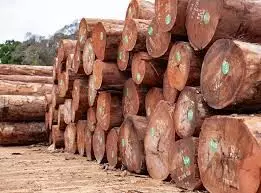
Mrs Ngozi Oyewole, the Chairperson of Wood Sectoral Group of the Manufacturers Association of Nigeria (MAN), says 2026 will be a turning point for Nigeria’s wood and furniture manufacturing sector following Federal Government’s ban on export of raw wood.
Oyewole said this in an interview with newsmen on Thursday in Lagos.
She said the policy was expected to improve access to raw materials for local manufacturers, stimulate value addition, create jobs and promote environmental sustainability across the sector.
According to her, the ban created a favourable domestic market for manufacturers and encouraged a shift from raw material export to value-driven industrial growth.
“The Federal Government’s wood export ban is a strategic turning point for Nigeria’s wood and furniture manufacturing sector.
“With the right skills, policies and collaboration, 2026 can mark a transition from raw material export to value-driven industrial growth,” she said.
Oyewole projected that the policy would lead to improved raw material access, enhanced local manufacturing, job creation and stronger value addition in 2026.
She added that the sector could also experience industrial expansion, increased formalisation, improved forest management and better environmental sustainability.
She said that furniture manufacturers would be expected to scale up production, diversify product lines and explore higher-quality finished goods, with Nigerian-made furniture becoming more competitive domestically and gradually in export markets.
“Manufacturers may invest in modern machinery, training and sustainable production techniques, while increased formalisation of wood processing will help to reduce informal and illegal operations and improve sector regulation.
“This export ban signals government commitment to industrialisation and economic resilience.
“Companies that respond proactively by investing in processing capacity, product innovation and sustainable practices are likely to lead the sector,” she said.
Oyewole emphasised the importance of technical training and structured apprenticeships in strengthening the sector by building a skilled workforce, improving productivity and enhancing product quality.
She said that bridging traditional craftsmanship with modern manufacturing techniques would reduce skills gaps, support small and medium enterprises’ growth, and create decent jobs.
“Through MAN, industry-led apprenticeship programmes can be coordinated with institutions such as the Industrial Training Fund, to ensure that curricula align with real industry needs.
“This approach will professionalise the sector, boost efficiency and prepare the workforce for sustainable growth,” she said.
On policy priorities for 2026, Oyewole called for clear and consistent implementation of the wood export ban, incentives for local processing and value addition, improved access to affordable finance and streamlined regulatory processes.
She said that MAN would continue to engage the Federal Government on effective implementation, provide evidence-based feedback from manufacturers, and advocate policies that would reduce bottlenecks while encouraging investment.
“These actions will stabilise raw material supply, lower costs and create an enabling environment for manufacturers to expand in 2026,” she said.
Oyewole advised industry players to prioritise investment in modern equipment, continuous skills development, sustainable sourcing and product innovation.
She emphasised the need to balance profitability with environmental responsibility to safeguard raw material supply and ensure long-term competitiveness.
She said that success in 2026 would be characterised by improved access to raw materials, increased local value addition, job creation and stronger competitiveness of Nigerian-made furniture.
“With MAN coordinating advocacy and sector engagement, the industry will be more resilient, better skilled and firmly positioned as a contributor to Nigeria’s industrialisation and economic diversification,” she said.